Watch the companion video
This article accompanies our short-form video on the same topic.
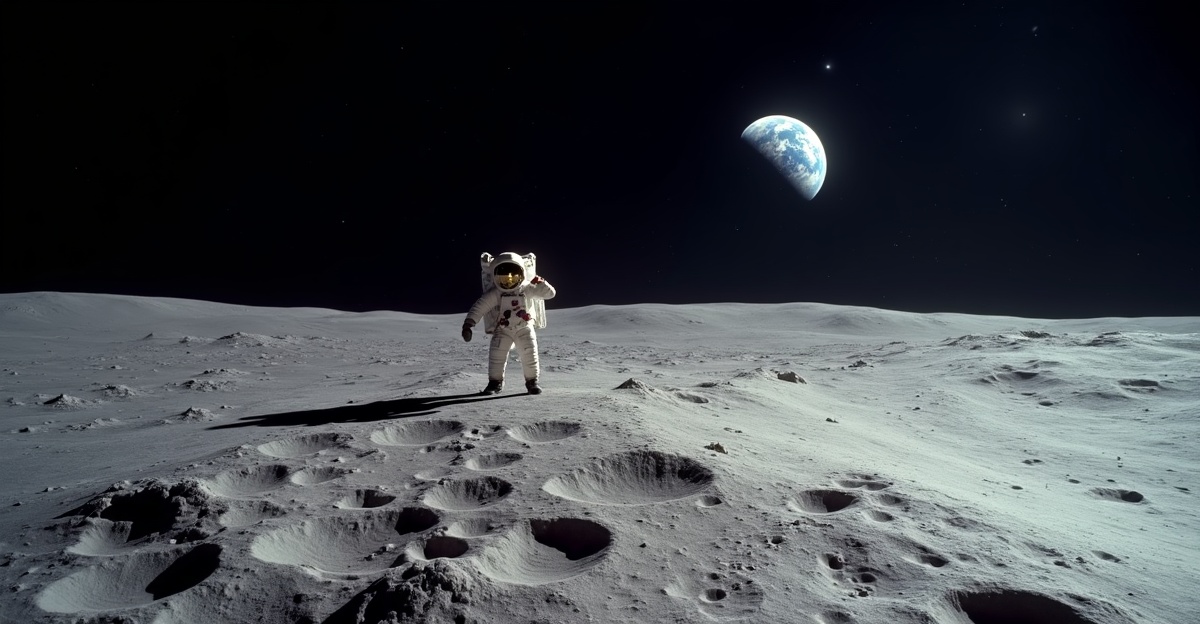
Watch on YouTube →Leaving one astronaut alone in lunar orbit was not just controversial; it was once deemed borderline reckless. Yet, this seemingly risky strategy was a stroke of mathematical brilliance. In the 1960s, NASA grappled with the herculean task of landing humans on the Moon and returning them safely. The chosen solution? Let two astronauts land while one stayed behind in orbit.
This division might sound odd, but a single spacecraft meant carrying extra fuel for both landing and launching from the lunar surface. It was an impossible burden. By splitting the mission, they reduced the weight and fuel needed, allowing for greater precision and safety. Mathematics showed that the perceived risk was actually the safest bet.
This approach underpinned the success of Apollo 11, transforming daunting hazards into historic milestones. It wasn't just an engineering triumph but a testament to human ingenuity. Follow us for more insights into the science that reshapes our world.
Enjoyed this? Follow for more: