Watch the companion video
This article accompanies our short-form video on the same topic.
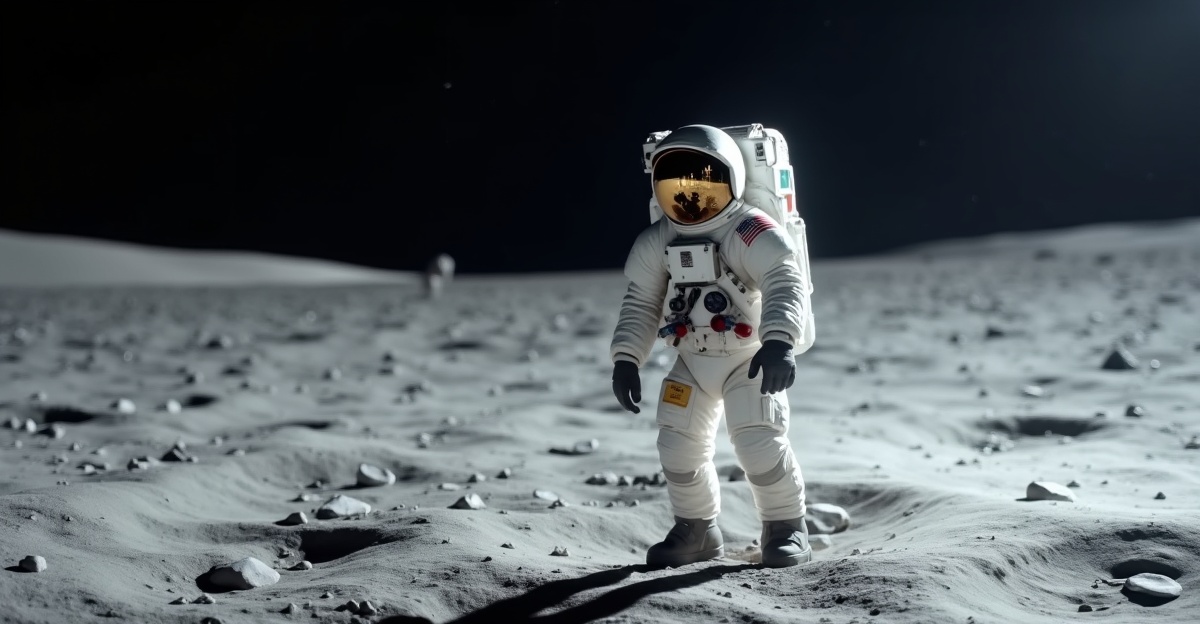
Watch on YouTube →Imagine stepping onto the Moon only to find that the ground clings to you like a needy friend. Lunar dust isn't like Earthly dirt; it's dangerously unique. Each tiny particle is sharp and jagged, formed by eons of meteor impacts, and it sticks to everything it touches.
What makes this dust particularly troublesome is its electrostatic nature. Bathed in the solar wind, the Moon's surface builds up static electricity, causing dust particles to leap up and cling to astronauts and equipment. Think of static cling on laundry, but on an astronomical scale. This isn't just a minor inconvenience, though. The dust scratched helmet visors, reducing visibility for astronauts. Tiny grains found their way into joints and seals, threatening to jam essential tools and equipment.
On the Apollo missions, this pesky dust posed significant challenges. When it clung to spacesuits, it was tracked into lunar modules, complicating life support systems. Future lunar explorers must find ways to manage this tenacious hazard to ensure mission success.
The Moon's dust remains a formidable foe. Follow our journey to uncover more cosmic challenges like this.
Enjoyed this? Follow for more: