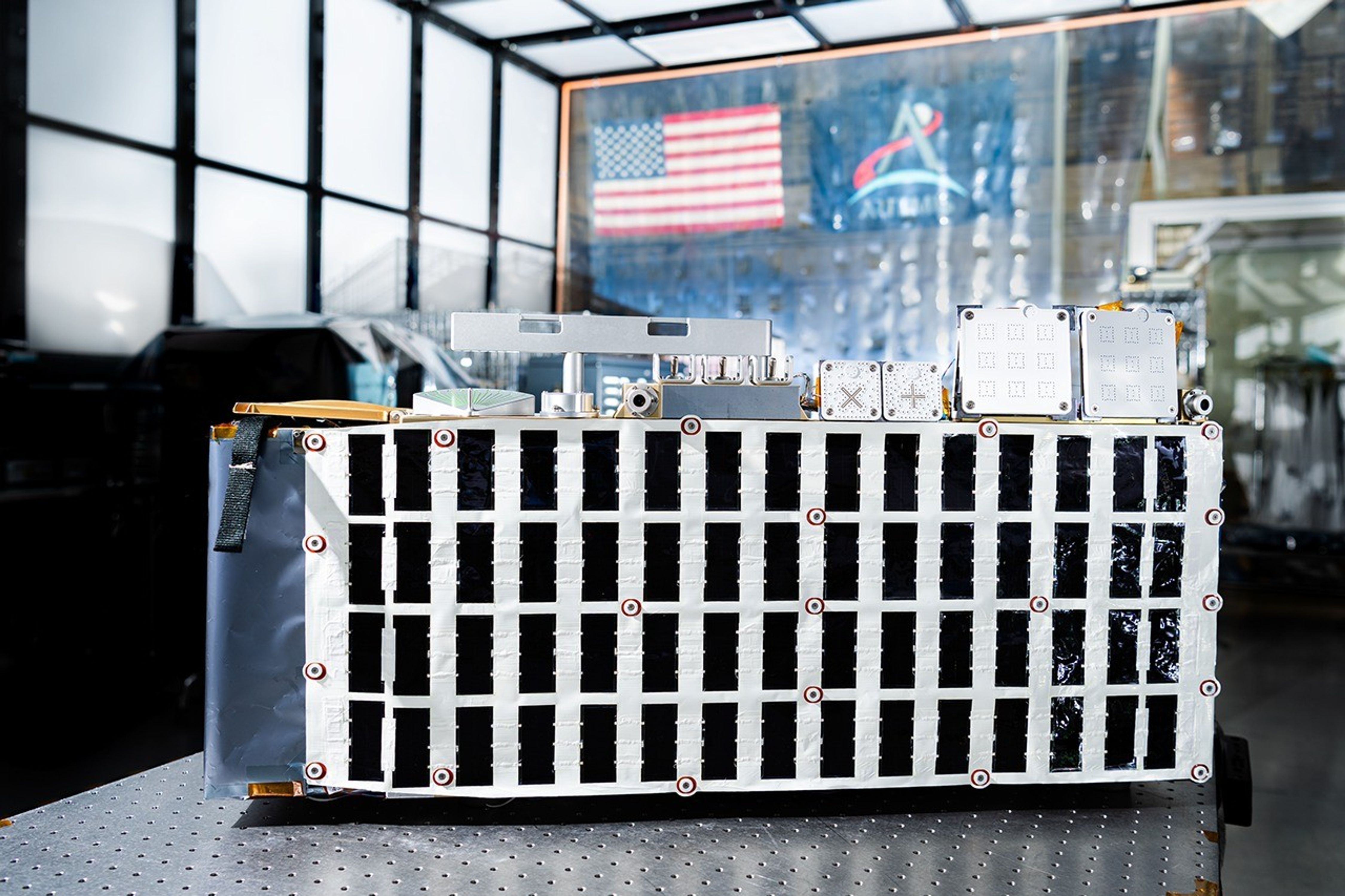
NASA's engineers have officially put their "wrenches down" on a truly exciting piece of tech: the Lunar Environment Monitoring Station, or LEMS. This isn't just any gadget. It's the first payload designed specifically for Artemis astronauts to set up on the Moon's surface. And it's ready to make its journey to the lunar South Pole. This marks a pivotal moment in NASA's Artemis mission, a program rekindling humanity's lunar dreams.
Let's rewind a bit. Artemis II is a cornerstone of this mission, set to be the first crewed lunar flyby since Apollo 17 in 1972. Picture this: a crew of four astronauts aboard the Orion capsule, launched by the mighty Space Launch System (SLS) rocket. They'll orbit the Moon in a free-return trajectory, which means no landing this time. It's a practice run, a chance to ensure all systems are go for future landings. This mission is a big deal because it signifies our renewed commitment to exploring our celestial neighbor.
Now, back to LEMS. This isn't just a scientific tool; it's a symbol of how Artemis is different. It's not just about planting flags and footprints. LEMS is designed to study the lunar environment right from the Moon's surface. Its sensors will monitor things like dust, radiation, and the Moon's seismic activity. In short, it's our eyes and ears on the ground, helping us understand the Moon's mysteries and prepare for longer stays.
For the Artemis crew, LEMS means carrying a piece of history. They'll be the first humans in over five decades to place a scientific instrument on the Moon. It's a task filled with pride and responsibility. For the mission, it means we're gathering vital data that will shape future lunar explorations. And for humanity, it's about turning the Moon into more than just a destination. It's the start of a new era where the Moon becomes a stepping stone for broader space exploration.
As we edge closer to launching Artemis II, every update is a step forward in our journey back to the Moon. LEMS is just the beginning. It's a promise of more discoveries to come. For those eager to follow this incredible journey, visit liquidspacetime.com/artemis for the latest Artemis mission coverage and updates.
Enjoyed this? Follow for more: