Watch the companion video
This article accompanies our short-form video on the same topic.
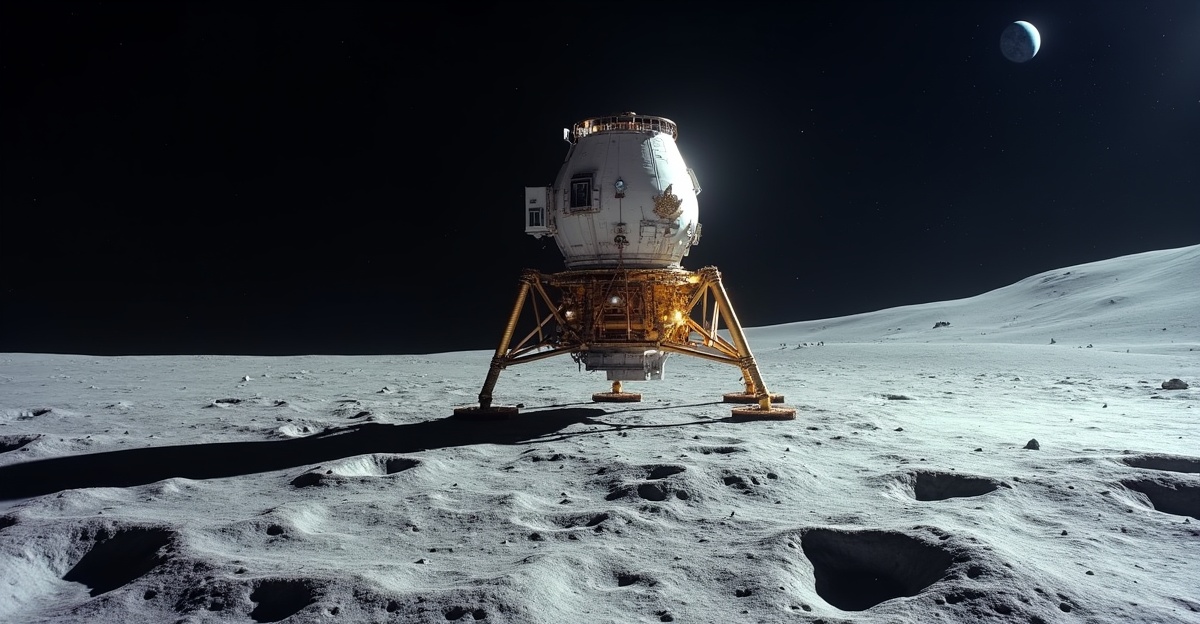
Watch on YouTube →Imagine landing on the Moon with just 30 seconds of fuel left. That's exactly what Neil Armstrong did. During the Apollo 11 mission in 1969, Armstrong and Buzz Aldrin were aboard the lunar module, Eagle, with a clear mission: land safely on the Moon's surface. But as they approached, unexpected craters and scattered boulders made the planned landing site too risky.
Armstrong had to switch to manual control, guiding the Eagle to a safer spot. His calm and precise actions were critical as alarming fuel warnings buzzed in the background. Each second was precious. With fuel dwindling, the pressure was immense—yet Armstrong stayed steady.
When Eagle finally touched down, Armstrong had only a squeaky 30 seconds of fuel left in the tank. Those few moments showcased incredible human precision and nerve. It was a reminder that sometimes, the greatest achievements teeter on the brink of failure before turning into historic triumphs.
Follow Liquid SpaceTime to explore more moments of human ingenuity in space exploration and beyond.
Enjoyed this? Follow for more: