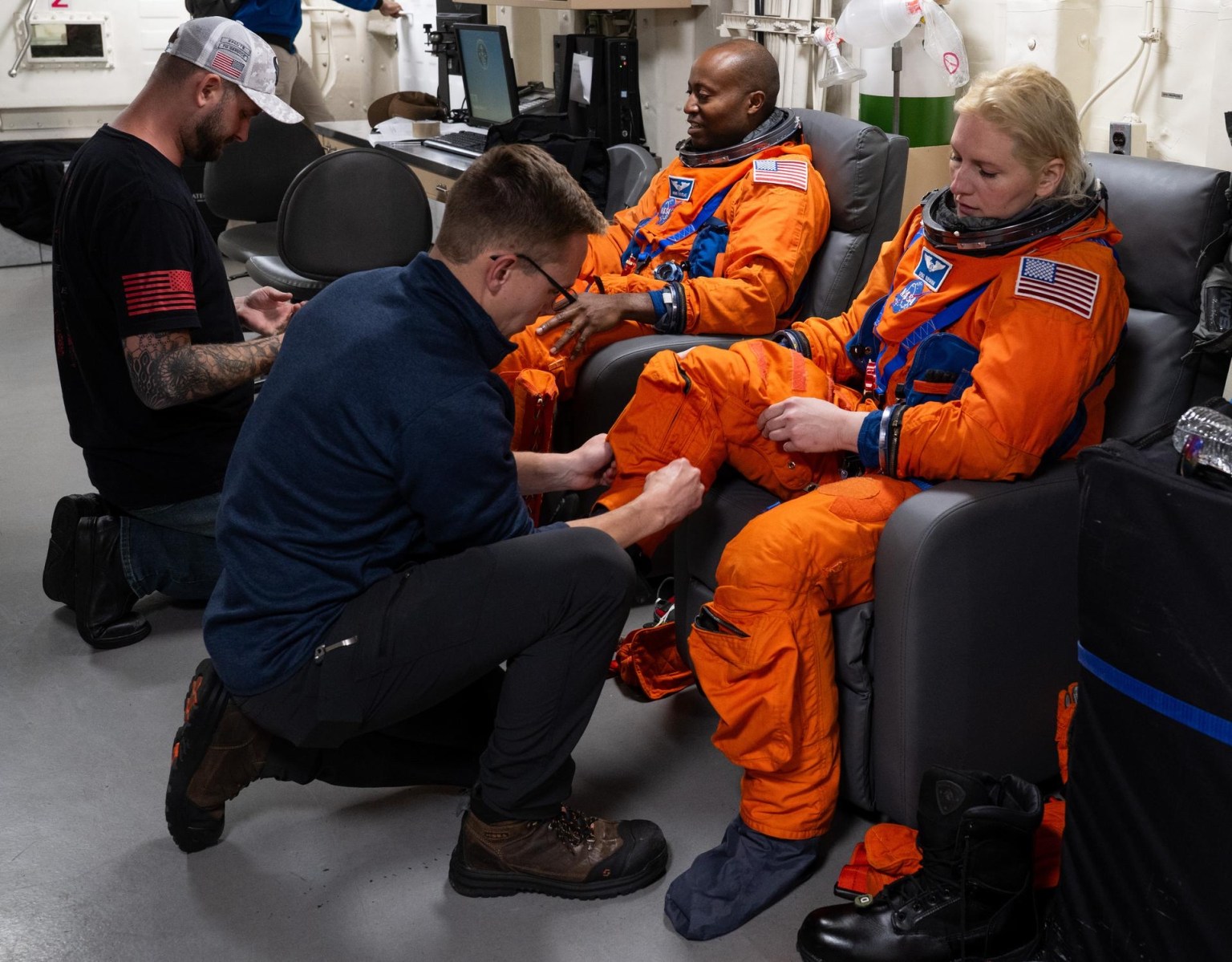
Nicholas Houghton, once a NASA intern and now a full-fledged engineer, is one of the key minds ensuring the safety of astronauts aboard the Orion spacecraft. Houghton's work on the Orion Crew Survival Systems (OCSS) played a crucial role in the success of the Artemis II mission. It’s the first crewed lunar flyby since Apollo 17 in 1972, marking a significant step toward humanity's return to the Moon.
Artemis II is a big deal. It's the first time in over five decades that humans have ventured this close to the Moon. The mission involves a crew of four astronauts who embarked on a journey around the Moon in the Orion capsule, launched by the powerful Space Launch System (SLS) rocket. While they didn't touch down on the lunar surface, the mission's free-return trajectory took them around the Moon and safely back to Earth - an essential rehearsal for future lunar landings.
But what about the bigger picture? Artemis II is not just a standalone mission. It's a critical piece of NASA's broader Artemis program, which aims to establish a sustainable human presence on the Moon. This mission tested the systems and procedures that will be vital for longer, more complex missions in the future. And that's where Nicholas Houghton and his team come in. They focus on making sure the crew stays safe in the harsh environment of space, from launch to splashdown.
For the crew, Houghton's systems mean peace of mind. Imagine being millions of miles away from home, knowing that every system keeping you alive has been meticulously designed and tested by some of the best engineers on Earth. It's not just about surviving; it's about thriving in space. For the mission, these systems are the backbone, ensuring everything runs smoothly so astronauts can focus on their tasks without worrying about their safety.
On a grander scale, Artemis II represents a leap forward for human exploration. It's a tangible step toward returning humans to the Moon and, eventually, exploring Mars. Each mission builds on the last, gathering data, refining technology, and bringing us closer to living and working on other worlds.
Curious about what comes next for the Artemis program? There's plenty more to explore as NASA continues to pave the way for humanity's future in space. For the latest Artemis mission coverage and updates, visit liquidspacetime.com/artemis. Dive in and ride the waves of reality with us as we journey back to the Moon and beyond.
Enjoyed this? Follow for more: