Watch the companion video
This article accompanies our short-form video on the same topic.
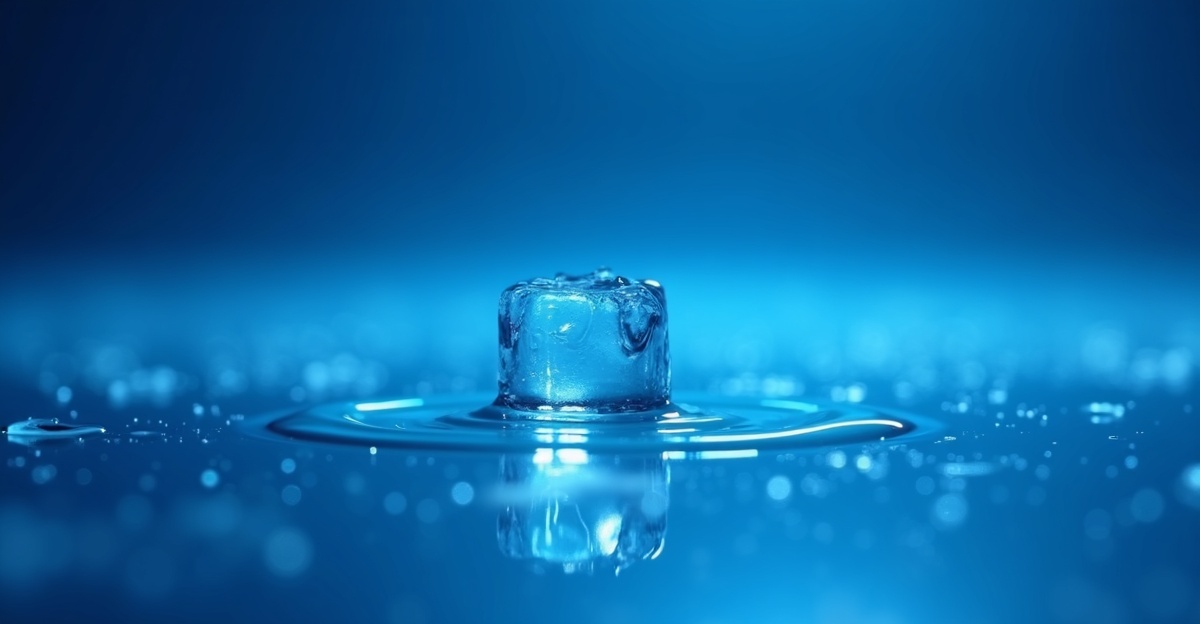
Watch on YouTube →Did you know that the slipperiness of ice is thanks to a microscopic layer of water on its surface? Even when it looks solid as a rock, ice has a secret trick. This is because pressure and friction work together to create a tiny liquid layer.
When you step on the ice, your weight exerts pressure, which slightly melts the surface, creating a thin, slick film of water. This is the same reason why ice skaters glide so gracefully across the rink. But pressure isn't the only factor at play. Friction from movement adds heat, further melting the ice's top layer and keeping it slick.
Interestingly, the ice itself is never completely still. The molecules within it are constantly jostling and rearranging. This molecular motion helps maintain that slippery sheen, always ready to trip up the unprepared. This movement ensures the surface remains a tricky, slippery customer.
So, next time you find yourself doing an unintentional pirouette on an icy sidewalk, remember the hidden science beneath your feet. Tag someone who needs to know this.
Enjoyed this? Follow for more: